Mortar, and the cavity it should not be in
The wall is designed to leak. Bridge it and it does not.




In short: Excess mortar and poor mortar work recorded on an Austral lock-up run.
How a cavity wall works
Two skins with a gap between them. Water crosses the outer skin, runs down the inside face, lands on a flashing and leaves through a weep hole. The gap is what makes that possible.
What bridges it
Mortar squeezed out of the joints and dropped down the cavity as the bricklayer works. It piles on the wall ties and on the flashing, and it gives water a path straight across to the inner leaf.
What was recorded
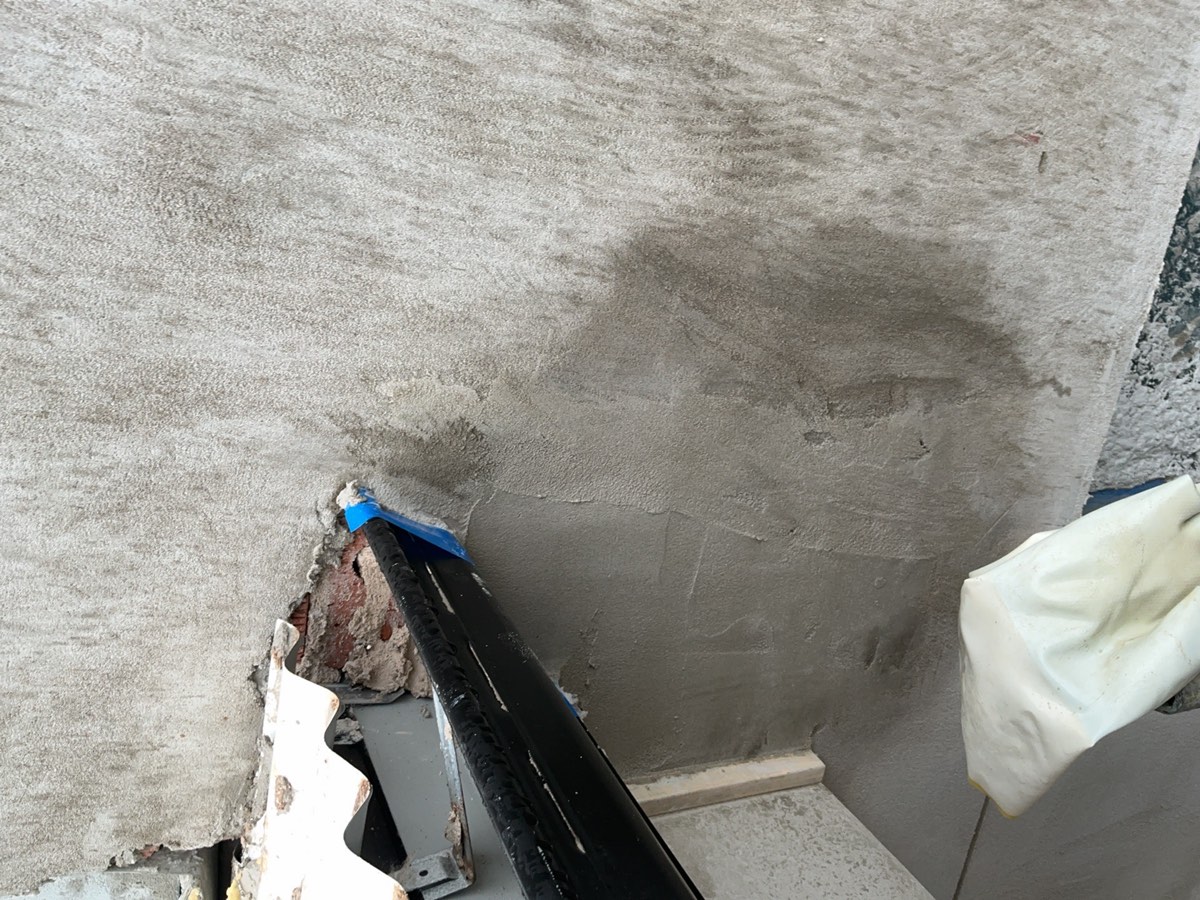
Excess mortar, and separately mortar work described as poor workmanship, on an Austral lock-up inspection.
Why lock-up is the moment
The cavity is open and inspectable until the last course goes on and the linings arrive. After that, nobody sees inside a wall again.
What a buyer can see
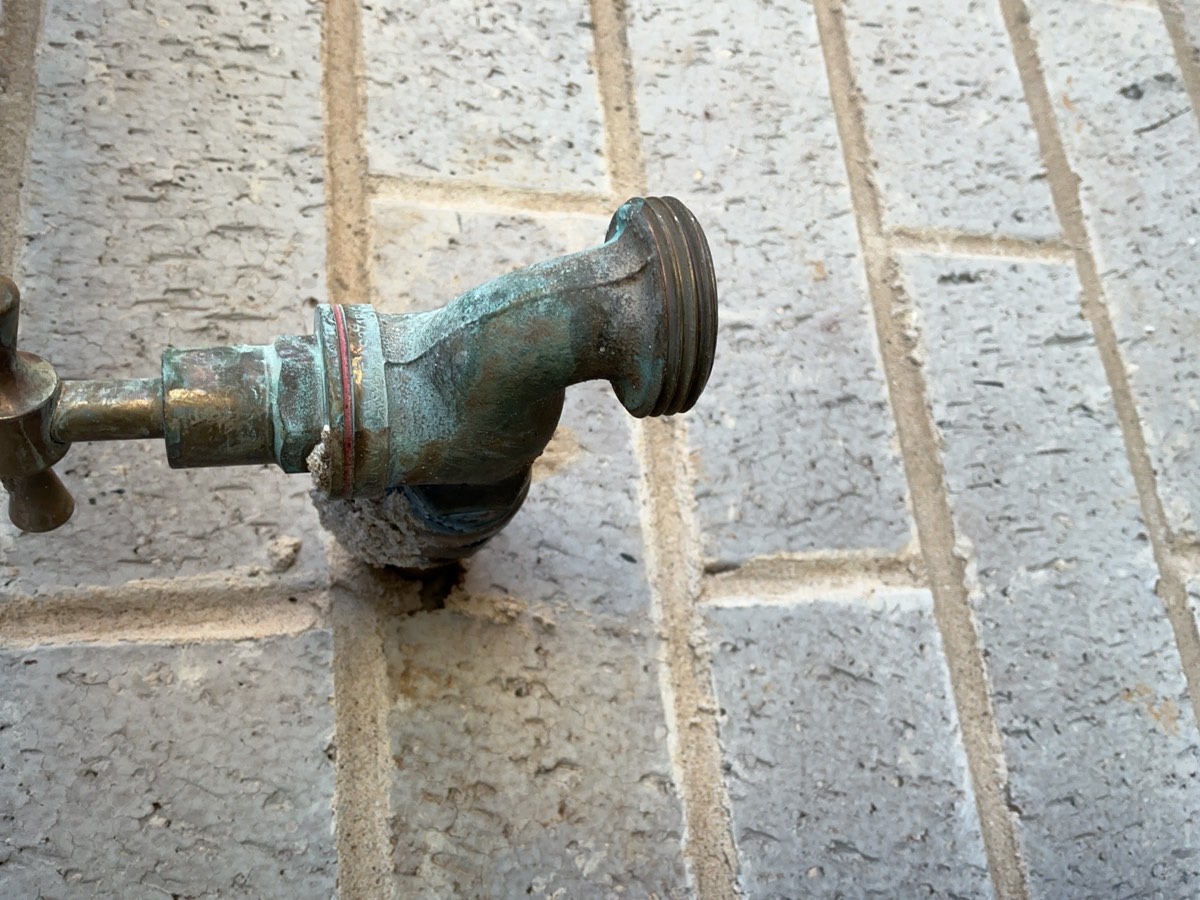
Not the cavity. What is visible on a finished house is the joint finish, staining at the base of a wall, and whether the weep holes are clear.
Written by the Owner Inspections team from inspections carried out in Catherine Field. Licensed building practitioners, NSW Fair Trading licence 366177C.